Letters to Nani, for the people who field the hard health questions.
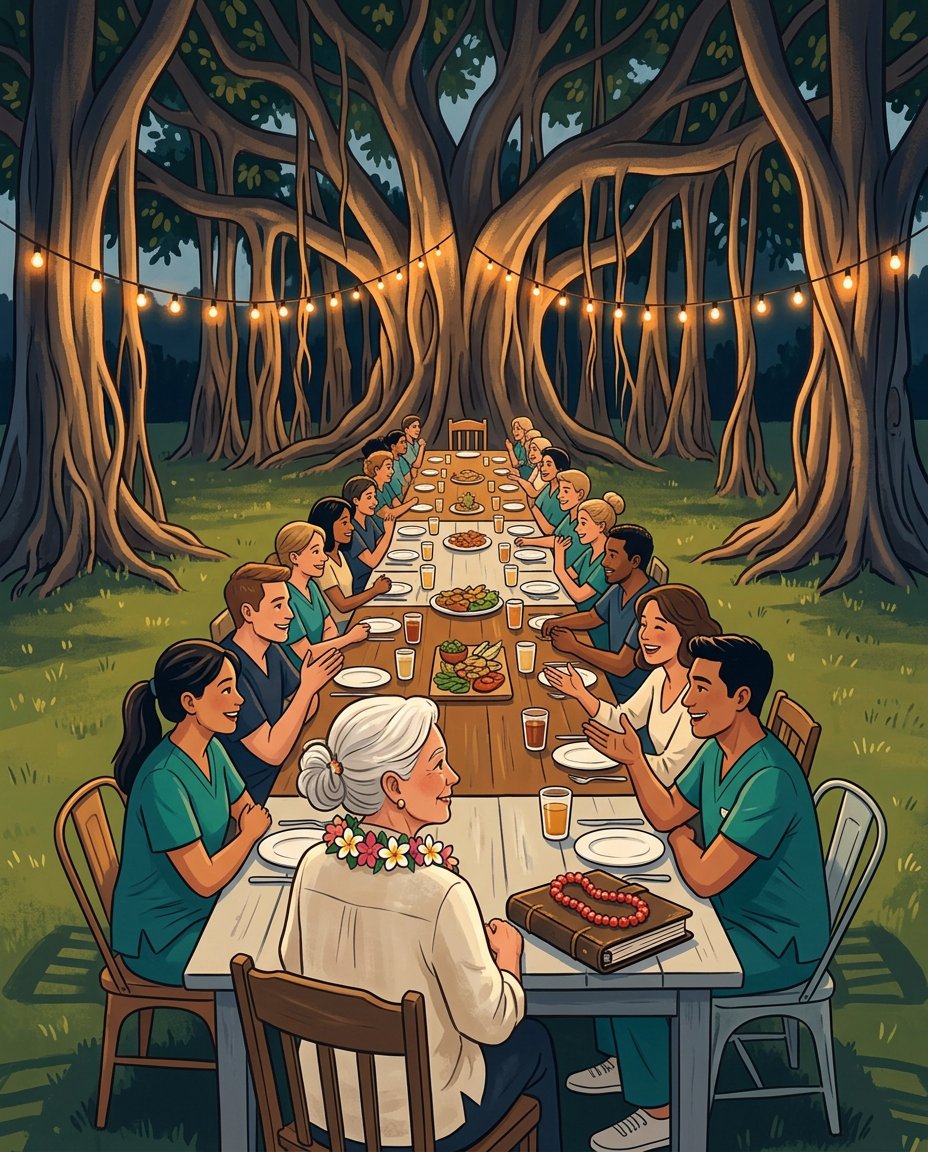
Nani spent twenty-six years as a nurse, twenty of them as a clinical research coordinator. Now retired home to Hawaii, she answers letters from people who work in clinical research, and from anyone whose family asks them, “Is this true?”
Nani is fictional, inspired by a real family friend. Meet her and the rest of the cast.

Dear medical and clinical research professionals,
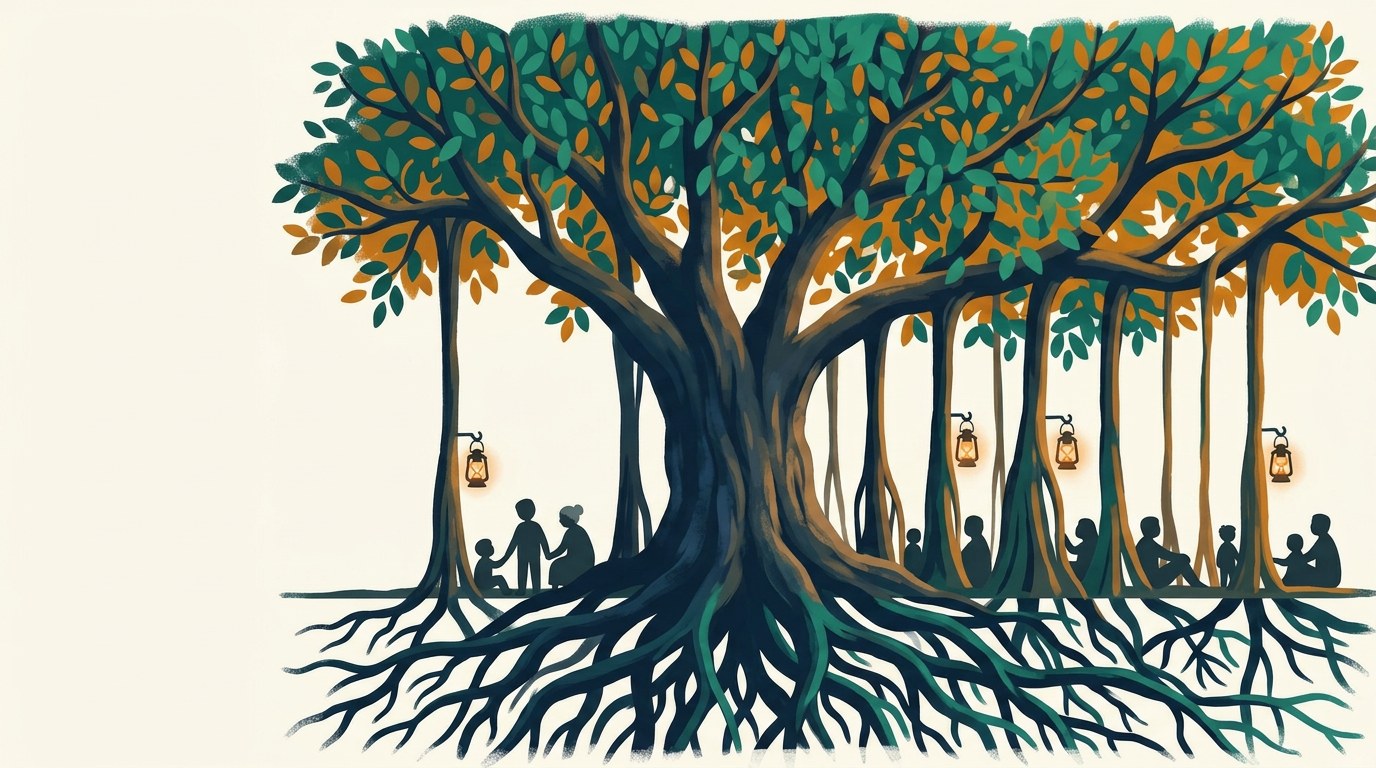
A banyan grows roots from its branches. When they reach the ground, they become new trunks.
Every person who knows how the medical field and clinical research works can be one of those trunks. Misinformation has been taking root faster than we have. The Roots helps people who know the work explain how a medicine crosses the bridge, one conversation at a time, instead of fighting every rumor on its own. This is your call to action.
Let’s be The Roots.
Nani
Someone writes “Dear Nani.” She writes back.
Each Sunday a reader writes about a real conversation they dread: a parent skipping a vaccine, a sibling buying a miracle cure, the fear of telling people what you do for a living. Nani answers with what she learned in twenty-six years, and a card you can use at your own table.
- Start with the prologue. The Luau is how Nani’s retirement, and The Roots, began.
- Read each Sunday on LinkedIn or Substack.
- Write to her in the comments, or privately at [email protected].
Five cards for the conversation at the table.
Nani’s letters lean on these. Each one is free and printable in the Field Guide.
- OPENStart with what you share, before the evidence.
- STILLWhat not to do at the table.
- PAUSEBefore you forward it: ask the source, find the bar.
- STARVEDon’t feed a scary post with outrage shares.
- REACHShare the people who explain it well, so they get the reach.
Every trunk grew from someone’s roots.
Long before anyone posted a health explainer, these writers, scientists and researchers taught the public how science works, and how to reach people with it. Their roots reached the ground. Today’s science communicators are the trunks that grew from them, and every trunk can grow roots of its own. If you explain your stop on the bridge to the people around you, you’re already one.
-
1926Paul de KruifMicrobe HuntersA microbiologist who told the stories of the people who found germs, and pulled a generation toward science.
-
1962Rachel CarsonSilent SpringA marine biologist who showed the public what pesticides were doing, and asked who checks the people selling them.
-
1968Fred RogersMister Rogers’ NeighborhoodAn educator who made people feel safe before he taught them anything, the first step most science communicators skip.
-
1974Lewis ThomasThe Lives of a CellA physician who wrote about biology with wonder, for readers who never took a biology class.
-
1974Richard Feynman“Cargo Cult Science”A physicist whose commencement talk made one rule famous: don’t fool yourself, the easiest person to fool.
-
1980Carl SaganCosmos, then The Demon-Haunted WorldBrought the universe into living rooms, then handed readers a “baloney detection kit” for testing claims.
-
1985Oliver SacksThe Man Who Mistook His Wife for a HatA neurologist who told patients’ stories with care, and showed that medicine is about people.
-
1993Bill NyeBill Nye the Science GuyAn engineer who made science loud, fun and hands-on for a generation of kids, many of whom grew up to work in it.
-
2004George LakoffDon’t Think of an Elephant!A cognitive linguist who showed that the frame around a fact often decides how it lands, more than the fact itself.
-
2010Brené Brown“The Power of Vulnerability”A researcher who turned years of interview data into a talk millions watched, proof that research lands when it meets people where they are.
-
2018Hans RoslingFactfulnessA physician and statistician who named the instincts that make smart people wrong about the world, without ever calling anyone stupid.
-
2021Adam GrantThink AgainAn organizational psychologist who argues the best communicators think like scientists, not prosecutors: curious, and open to being wrong.
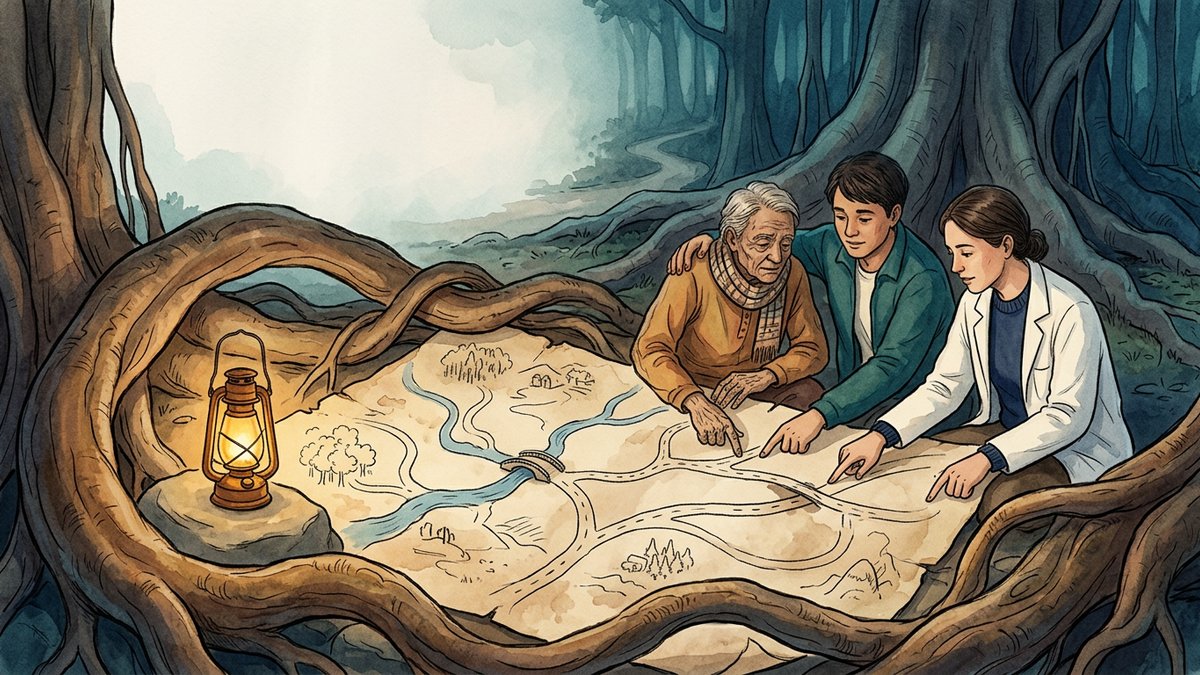
Meet this generation on the Science Communicator Map.
Every trunk can be a science communicator. Open Label Media’s map gathers vetted scientists, clinicians and researchers who explain health science today, by topic. Find someone who knows the question your family is asking, or explain your own stop on the bridge and ask for a place on the map.